Keeper's guide

Keeping exotic beetles

The essentials, drawn from five years of trial, error and quiet observation. Start here before you bring anything home.

The short version

It's mostly about the substrate

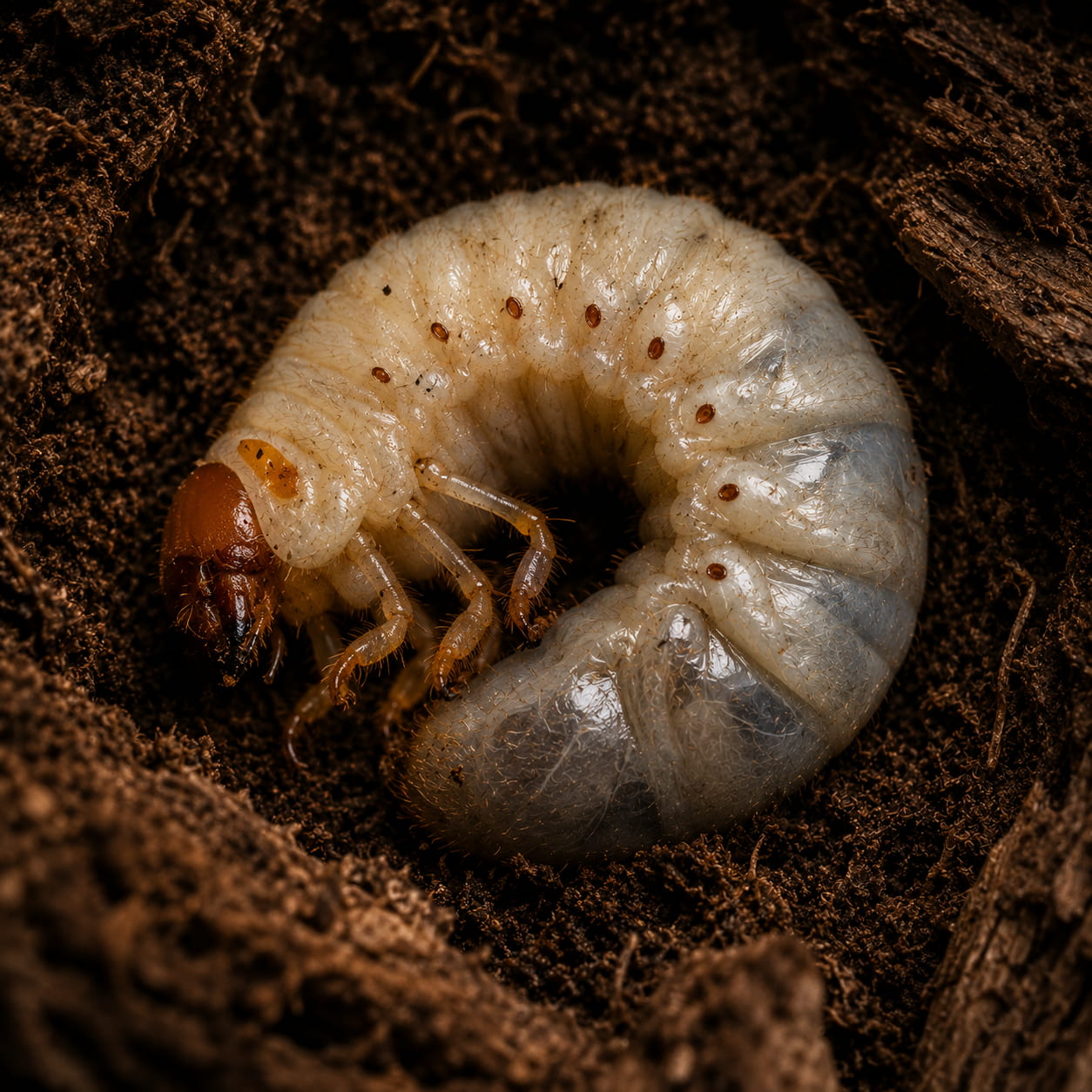
Adult beetles are the visible, dramatic part of the hobby — but the real work happens underground. Larvae spend most of their lives eating their way through decomposed wood and leaf litter, and the quality of that substrate decides how large and healthy the adult becomes.

Get four things right — substrate, humidity, temperature, and patience — and the rest tends to follow.
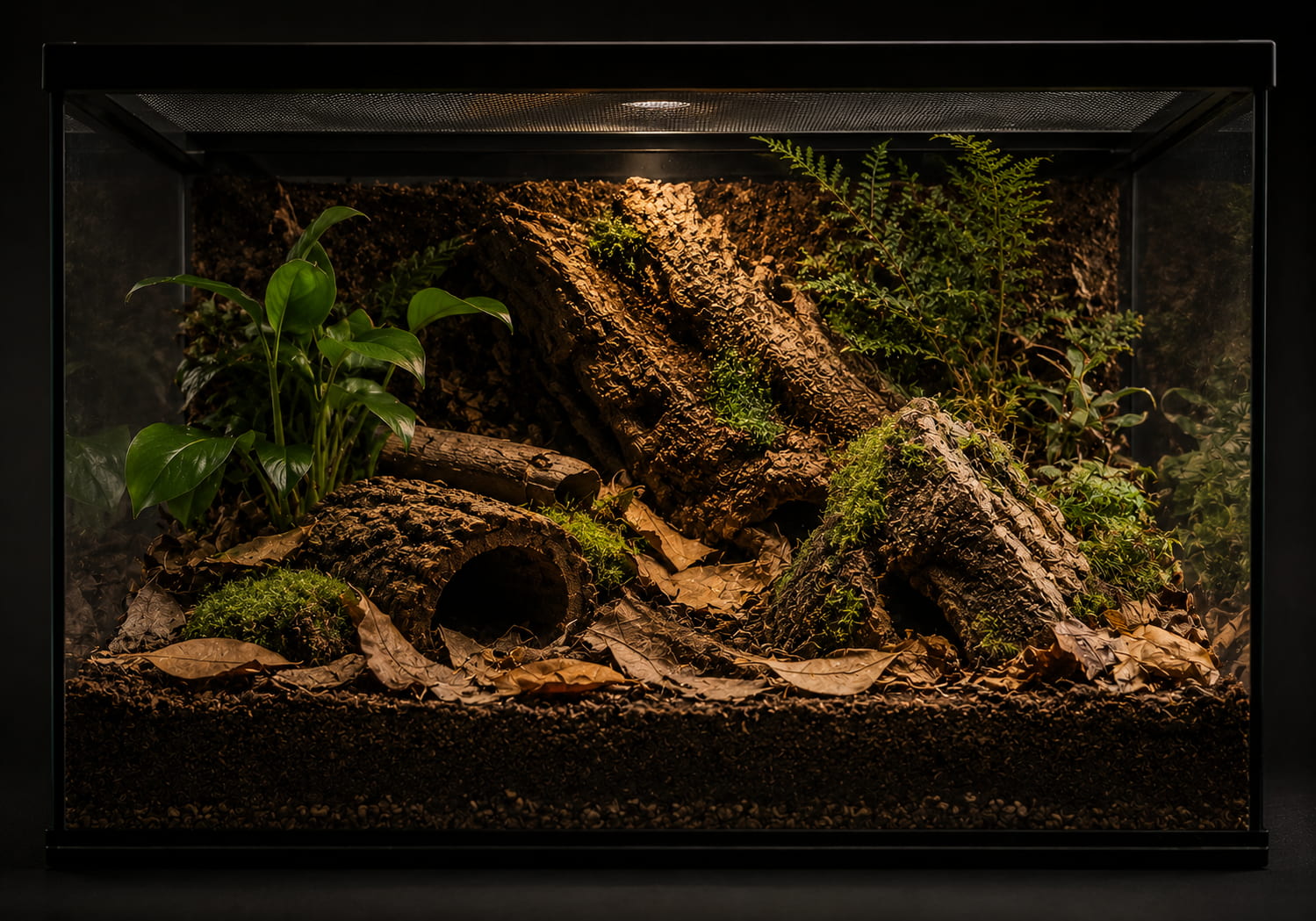
Beetle enclosure
Setup

Four steps to a working enclosure

1

Choose the enclosure

A clear plastic or glass container with a secure, ventilated lid. Rhinoceros and stag beetles need depth for substrate — aim for at least 15–20 cm. Flower beetles do well in something wider and shallower with room to fly.

2

Lay down substrate

Fermented hardwood flake soil for larvae; a mix of soil and leaf litter for adults. Pack the lower third firmly so larvae can form stable chambers, then keep it loose on top.

3

Set humidity & temperature

Substrate should feel like a wrung-out sponge — damp, never waterlogged. Most tropical species are comfortable between 21–26°C. Mist lightly as needed rather than soaking.

4

Add furnishings & food

A piece of bark or a log gives beetles something to climb and flip themselves upright on. Feed adults beetle jelly or fruit; remove uneaten food before it moulds.

Beetle larva
The life cycle

Egg to adult

A beetle's life runs through four stages — and three of them happen out of sight.

  • Egg2–6 weeks
  • Larva (3 instars)4–24 months
  • Pupa1–3 months
  • Adult2–12 months
Keeper's note

Resist the urge to dig. Larvae and pupae are fragile, and disturbing a pupal chamber is the most common cause of deformed adults.

Common questions

Before you start

Are exotic beetles hard to keep?

Not especially — but they reward patience over attention. The biggest adjustment for new keepers is the timescale: a larva may take a year or more before you see an adult. Flower beetles and rainbow stags are the gentlest places to start.

Do I need a permit?

It depends entirely on where you live. Many exotic species are regulated or outright restricted as imports. Always confirm the rules for your country and region before acquiring anything — this site can't advise on specific jurisdictions.

How much space does it take?

Less than most people expect. Individual enclosures are often shoebox-sized, and a modest shelf can hold a varied collection. Larvae in particular need only a tub of good substrate.

What do they eat?

Larvae eat their substrate — decomposed hardwood and leaf litter. Adults take sugary foods: commercial beetle jelly, banana, and other soft fruit. Protein-enriched jelly helps females producing eggs.

Can different species live together?

Generally no. Mixed-species enclosures lead to competition and stress, and males of horned species will fight. House them separately unless you're deliberately pairing for breeding.

Still have questions?

Ask the keeper

Happy to help troubleshoot a setup or point you toward good captive-bred stock.

Get in touch